Adventures with Saskatoon Recipes

Living with the Land

So I tried a few recipes and processes with these awesome for you berries.  I discovered how healthy these berries are for you.  They have antioxidants, calcium (1/5 daily requirement in 100g), fiber (24% of daily requirements in 100g), iron, manganese, magnesium (1/4 daily requirements in 100g), phytosterols (good for cholesterol problems), and vitamin E (https://prairieberries.com/health-nutrition/).  So much goodness in this little berry!
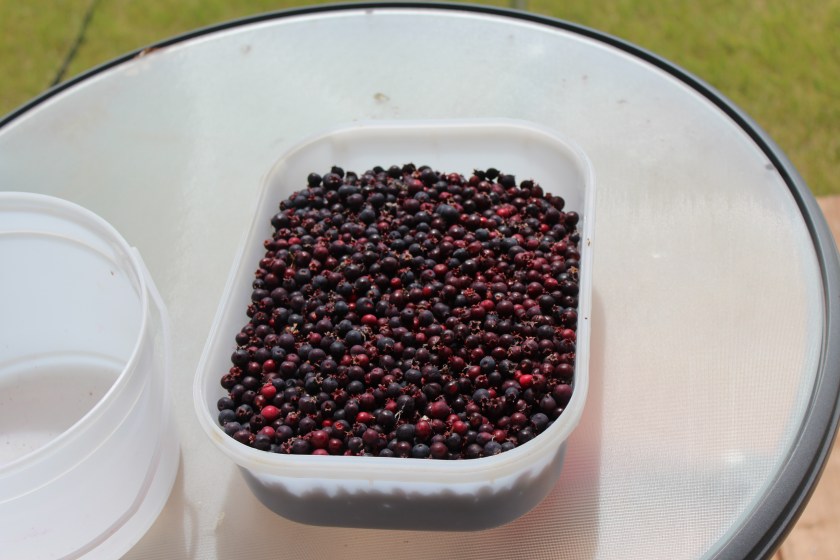
IMG_6663I’ve made salad with saskatoons, porridge with saskatoons, smoothies, dehydrated saskatoons, muffins, drink mixes and I still have a bunch! I’m wondering what I will do next. I’m thinking a saskatoon crumble . . .

I am not a food blogger, but I thought I’d share the fun I’ve had. First I tried the juice as I’ve been looking for an easy, tasty, alcohol free beverage that feels like a treat. And I found it!!! I adapted a recipe that called for 1 cup of white sugar to 2 cups of berries.  I used coconut palm sugar instead, but it was way too sweet, so I had to make more berry juice.  Here’s about what I did, but since I did it in stages it’s not totally accurate.
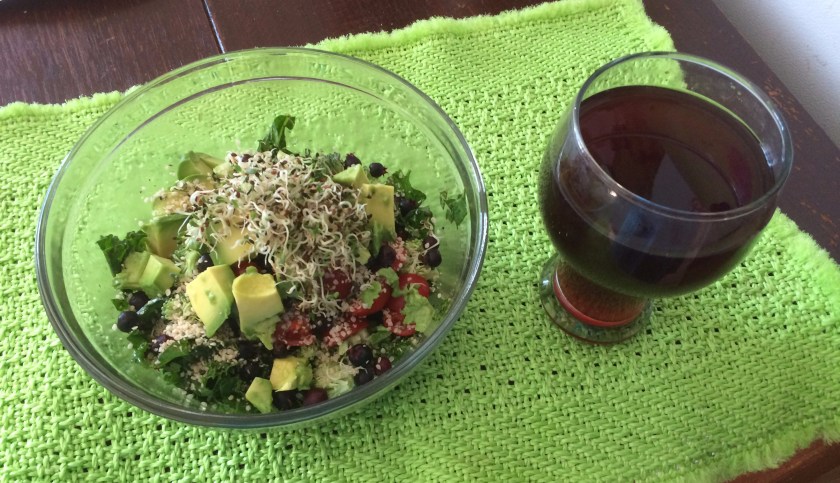

img_1806.jpg

Saskatoon Kale Salad with Saskatoon Juice

Saskatoon Juice Recipe

Ingredients

3/4 cups coconut palm sugar

1/2 cup water

4 cups of saskatoons

2 cups of water

Directions

  1. Put coconut sugar and 1/2 cup of water in a small sauce pan and heat over medium heat stirring  occasionally until dissolved
  2. While the sugar is dissolving, put saskatoons in a medium sauce pan. Mash the saskatoons with a mortar and pestle or potato masher.  I did the first batch this way and the second I boiled the saskatoons first and then mashed and then boiled some more and then mashed.  Add remaining water.
  3. Bring saskatoons and water to a boil (mash as needed).  Boil for 5-10 minutes.
  4. Strain the saskatoons (keep the pulp for using later, I made muffins with some of it)
  5. Squeeze as much juice out as you can, use cheese cloth or a sprouting bag or a thin sieve.
  6. Mix the sugar water and the saskatoon juice together
  7. Use about a 1/4 cup per 8 oz. glass of water (or sparkling water, or tonic, or …), tastes great with a half a lime squeezed in, add a few berries to float for a bit a decadence
  8. Store in the fridge for up to 5 days or freeze in ice cube trays for future use

I ended up making too much juice to fit the container I was using so I just froze that juice (without the sugar added) into ice cube trays and have been adding them to my morning smoothies, yum!  I love the deep colour it adds!
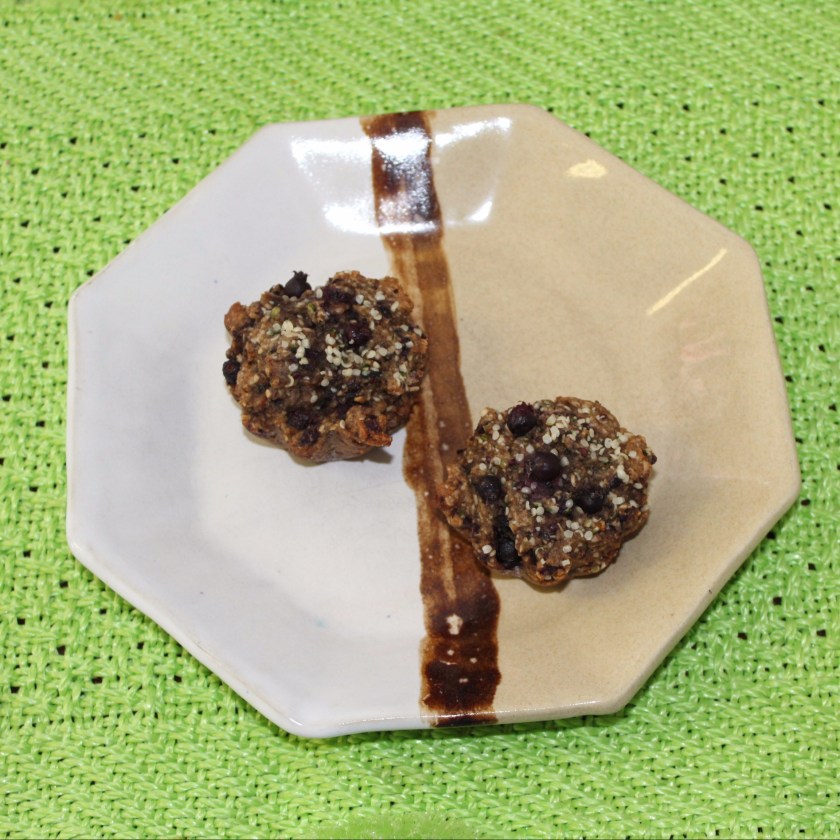

img_6866.jpgSaskatoon Berry Pulp Muffins

I adapted this recipe from http://www.picklesnhoney.com/juicer-pulp-muffins/

Makes 12 muffins

Ingredients

1/2 cup saskatoon pulp

1/4 cup agave nectar or other syrup sweetener (I used 1/8 agave and 1/8 coconut nectar syrup, because that’s what I had)

1/4 cup coconut oil, melted

1/4 cup unsweetened applesauce

1 1/2 cups flour (I used 3/4 cups of GF oat flour and 3/4 cups of Emmer flour)

1 teaspoon baking soda.

1/2 teaspoon cinnamon.

1/2 teaspoon sea salt.

hemp nut about 1/4 cup, enough to sprinkle on each muffin

fresh saskatoons about 1/2 cup, enough to add a few to the tops of each muffin

Directions

  1. Pre-heat the oven to 350 degrees F. I used silicone cups, but if you don’t, grease the muffin tin).
  2. In a large bowl, add the juicer pulp, the agave nectar, coconut oil, and applesauce. Stir to combine.
  3. Sift in the flour, baking soda, cinnamon, and salt. Mix with a wooden spoon until just combined. The batter will be very thick.
  4. Transfer the batter to the muffin pan add saskatoons (be sure to press them in a bit or they will fall off) then sprinkle with hemp nut and bake for 10-12 minutes. A toothpick inserted in the center should come out clean when they’re done.

Saskatoon Kale Summer Salad

Makes a salad for 1

Ingredients

5-6 large fresh kale leaves

1 small head of broccoli

1/2 an avocado

6 Cherry tomatoes cut in 1/4’s

a generous handful of saskatoons

1 Tbs of hemp hearts

1 Tbs of sunflower seeds or other seed nut mixture

fresh sprouts (I used broccoli sprouts) about 1/4 cup

oil of choice (I used sunflower oil) about 1 tsp

vinegar of choice (I’ve use balsamic and apple cider at different times) about 1 tsp

salt and pepper to taste

Directions

  1. De-stem kale and rip into small pieces
  2. Add to medium sized bowl, add oil, vinegar and some salt
  3. Massage the oil and vinegar into the kale.  The kale will change colour to a vibrant green and will reduce substantially in size. Wash hands 🙂
  4. Cut broccoli as desired, I like it small
  5. Cube avocado and squeeze out of skin
  6. Add the remaining ingredients in order and top with a little extra salt and pepper if desired

Of course any of these ingredients can be substituted for any other.  It has been such a good salad I’ve made it every day for 3 days running.


I’ll post the Saskatoon crumble after I’ve made it.  Enjoy this beautiful day!
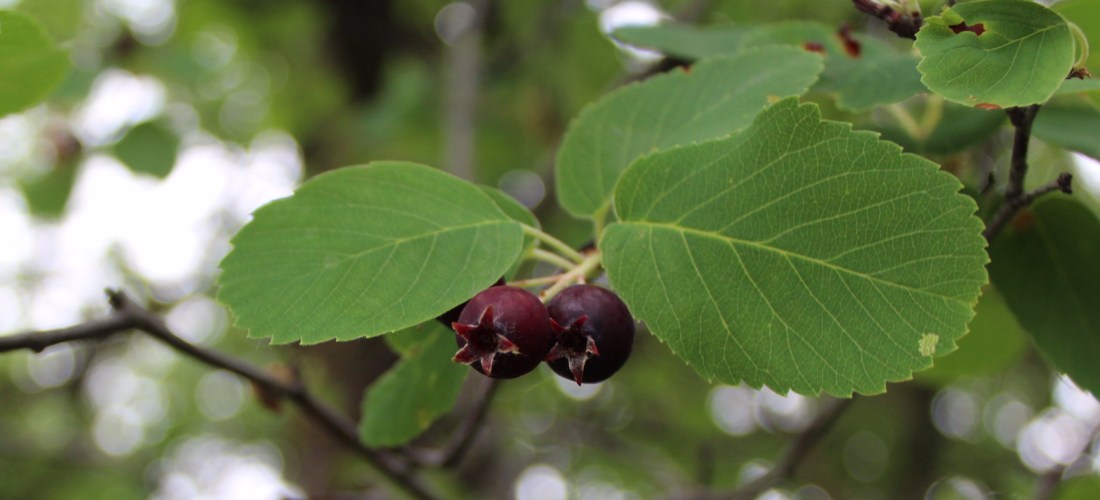
Saskatoons!!!

Living with the Land

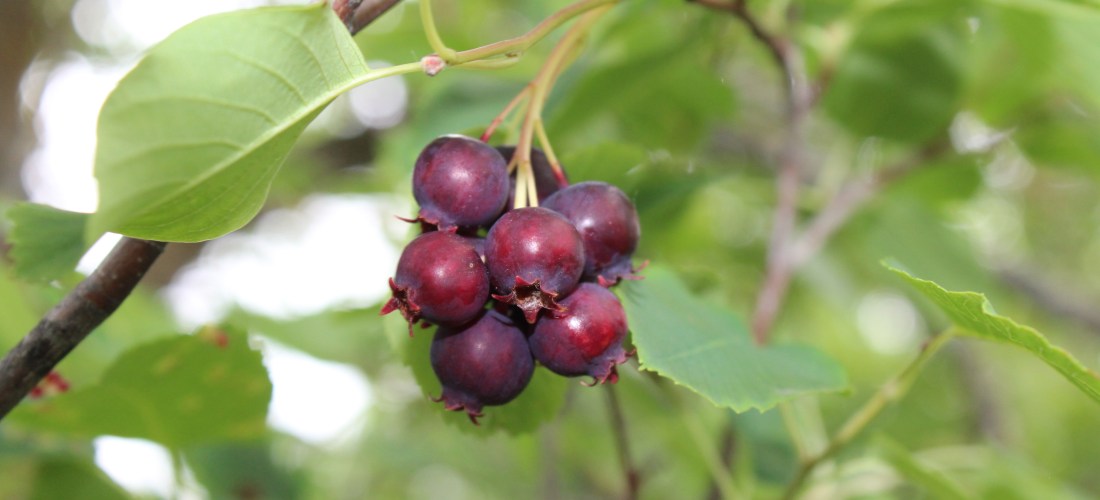
Well, it is saskatoon season here at Cultivation Peace.  I was hoping they would be ripe for the picking when my niece was here a week ago.  They were beginning to ripen then and we did pick enough for a pie, but they are in full berry now!  Last year they were ready to pick in the first week of July, this year, I think because we have had limited rain and a late summer they didn’t have enough sun or water to bloom that soon.

When I bought the house, the previous owner told me there were saskatoon bushes around the house.  It took me 3 years to check it out.  I had an aversion to forging for food, I am not sure where that comes from in the specific sense, but for some reason I have a fear about it.  I ended up saskatoon picking with some friends of mine on their property and since then I have been harvesting my own.  From what I understand, the more you pick a bush the more berries it produces the following year.  Well, this year, after 4 years of picking I had to take a break before I got through 1 patch, there are so many berries!

I still have a bag of frozen berries from last year, so I have to figure out what to do with all of these lovely purple berries so they don’t go to waste.  I am going to try a few recipes.  I’ve been having a hard time finding a special drink that is delicious, but not full of sugar and other crazy ingredients, so I’ve decided to try to make some savory ‘syrups’ for lack of a better word.  I am going to try a recipe that I will post if it turns out that reduces the berries with a coconut palm sugar for a bit of sweet as a base and then try adding other flavors such as lemon, or mint, or something like that.  I heard about some homemade reduction type mixes for non-alcoholic drinks so I’m trying a few things out.  I am also going to try a granola of sorts and to add some to a protein ball recipe and see how it goes.  I might also dehydrate some and see how they fair as ‘raisins’.

So, I spent around 2 hours picking from my hammock to the road (not a very large space, but full of bushes).  My fingers are purple and my body was getting sore.  I have to wear rubber boots and long pants because every time I don’t, I end up with some sort of poison ivy or oak from being in the bush back there.  I got some again behind my right knee from when I picked with my niecey.  Rubber boots aren’t the most supportive . . . I really should get some good insoles for them 🙂 The bushes were beautiful and dripping with ripe purple berries, many of the bushes are quite tall back there, fighting for the sun I imagine, but they are so flexible I can just pull them down to get to the tip top berries.

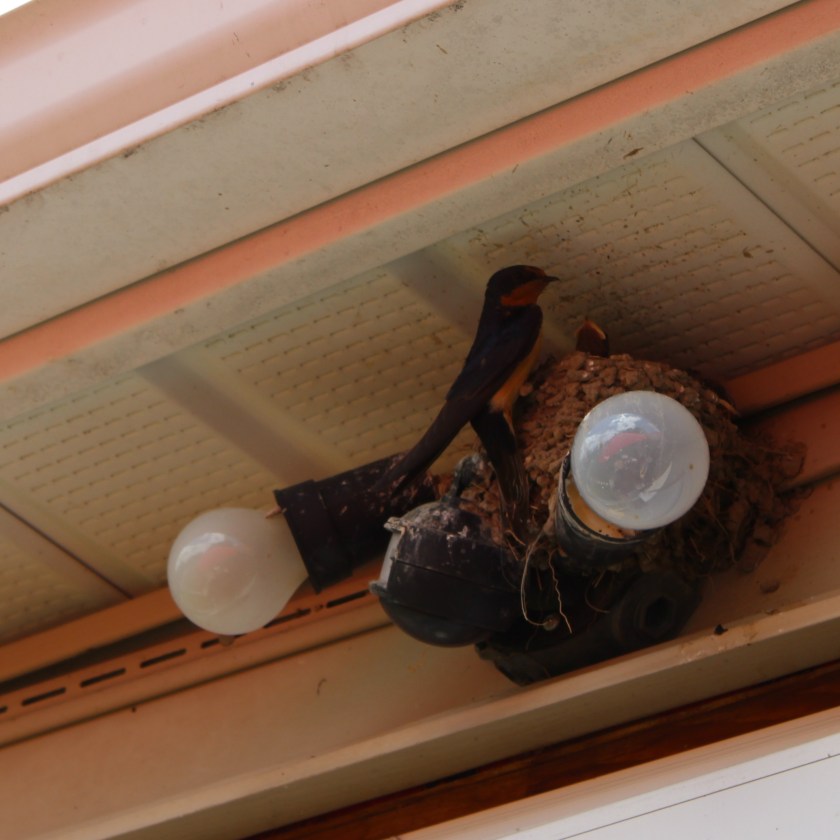
I absolutely love the nature of this place.  I am currently listening to 4 baby barn swallows chirp away waiting to be fed.  The parents built a nest above my door last year and I decided to see how it went.  It was so neat watching them, and then they had babies and watching that whole process was so cool.  The down side was once the babies hatched the adults pooped all over my deck and in front of my door in particular, so I decided I would not let them nest there again this year.  I fought with them for 3 weeks, knocking down their nest repeatedly, but they just kept rebuilding.  I finally got worried that they would not have a nest ready for their babies so I gave in and let them build.  I am not sure exactly why I attracted this experience, is it because I have some emotion to work out about always meeting other’s needs first? or that I have some emotion around sharing and being taken advantage of? or something else entirely?  I’m not really working that one, but it is playing around in the back of my mind.

IMG_6669

I also just saw a hummingbird chasing another smaller bird, that’s the first time I’ve seen that.  I usually have flowers out that the hummers can eat, but this year they did not bloom and I am not doing a lot of planting, so I have not seen as many of those awesome little birds as I like to.

Now, I have 4 liters of saskatoons and I’m leaving them on the deck to let the critters crawl out of them, then I’ll wash them and start to process them in some way, with leaving a bowl out for snacking of course.  They are a weird little berry, not very sweet with a seedy texture, but the darker they are the sweeter they are and handfuls are so delicious!

I’ll be going out again tomorrow or later today to finish that section and see where else they are growing.  I saw a whole bunch out my window just in the forest that I’ll have to check out.

Land Design: take 1

Living with the Land, Natural Build

Last weekend I attended a Cold Weather Water Management workshop put on by the Harvest Moon Society.  Takota Coen of Coen Farms in Alberta, was the presenter and he was amazing.  The whole workshop was amazing.  I choose to go because I have been looking for help in planning the best possible way to impact and change my land during my new build.  I knew I was going to be taking earth from somewhere to build up my driveway and foundation for the house, and I was seeking help for that process.  I wanted and still want to create a happy ecosystem on all of my land, and I knew that digging a big hole had great possibilities.  I had spent time seeking help from Ducks Unlimited and the various inroads they sent me on to no avail, I am just outside of all of the conservation districts so this workshop was a godsend. I went for a quick fix idea to this problem but came away with a whole new attitude and view of my land.

It is hard to pin point the change, but it is in the view I was taking, and how I can view things now.  With the help of Adaptive Habitat Land Design Tool Self Study and Google Earth Pro, I was able to see my land from above and really make some plans.  In the past I just had a vague vision that I was hoping someone else would turn into reality.  Now, I have a fairly focused vision that I can turn into reality.  I have decided to reclaim 13 acres of my 1/4 section to start my regeneration process, to experiment with healing the land and restoring a healthy ecosystem.  This is so much more manageable than the full section, and I can still support my neighbour with his farming enterprises by keeping the status quo on the rest of my land and having his cattle graze there a couple times a year.

The most exciting thing about Takota’s approach to this workshop was his focus on a holistic view, and not just holistic with the physical land and it’s needs, but holistic with the humans and their needs beyond the physical.  It is so important for us as humans to see what a huge impact our emotional, spiritual and physical state has on the environment around us, on the ease or challenge in which we can fulfill our dreams, on the viability of our dreams and on the overall well being of our ecosystem.  I loved seeing this awareness.  He discussed the 8 forms of capital which include financial, but only as 1/8th of the equation.  I tend towards focusing the majority of my time and effort on my impact and my emotional and spiritual state, this helped me to go beyond that and start taking action.  Some of that action will include focusing on my false beliefs and emotions that have prevented me from taking action before, as well as building up my physical capabilities.

I was so inspired by the workshop, by seeing a young passionate man sharing the truths he’s learned and experimented with on his own land, the love it requires to see things honestly (our motivations for what we do with ‘our’ land) and make choices that support the whole and not just our selfish and often counterproductive desires.  To see the strength of character it takes to be honest in the face of a world that likes to live in delusion, was awesome.  A simple statement like, “if the land you have can’t support your dream, buy new land or change your dream” – can shake people to the root.  The skill of seeing reality for what it is, is not one cultivated by many humans.  We tend to have a big dream and do whatever we can to force that dream to come into reality, even when our circumstances won’t support it, and instead of seeing the truth of the situation and choosing change (either in our own desires and beliefs, or in actual location) we fight a losing battle.  Changing the future and healing our earth takes this kind of honesty and strength and it renewed my faith in humanity to see Takota embodying the truth.

IMG_5951

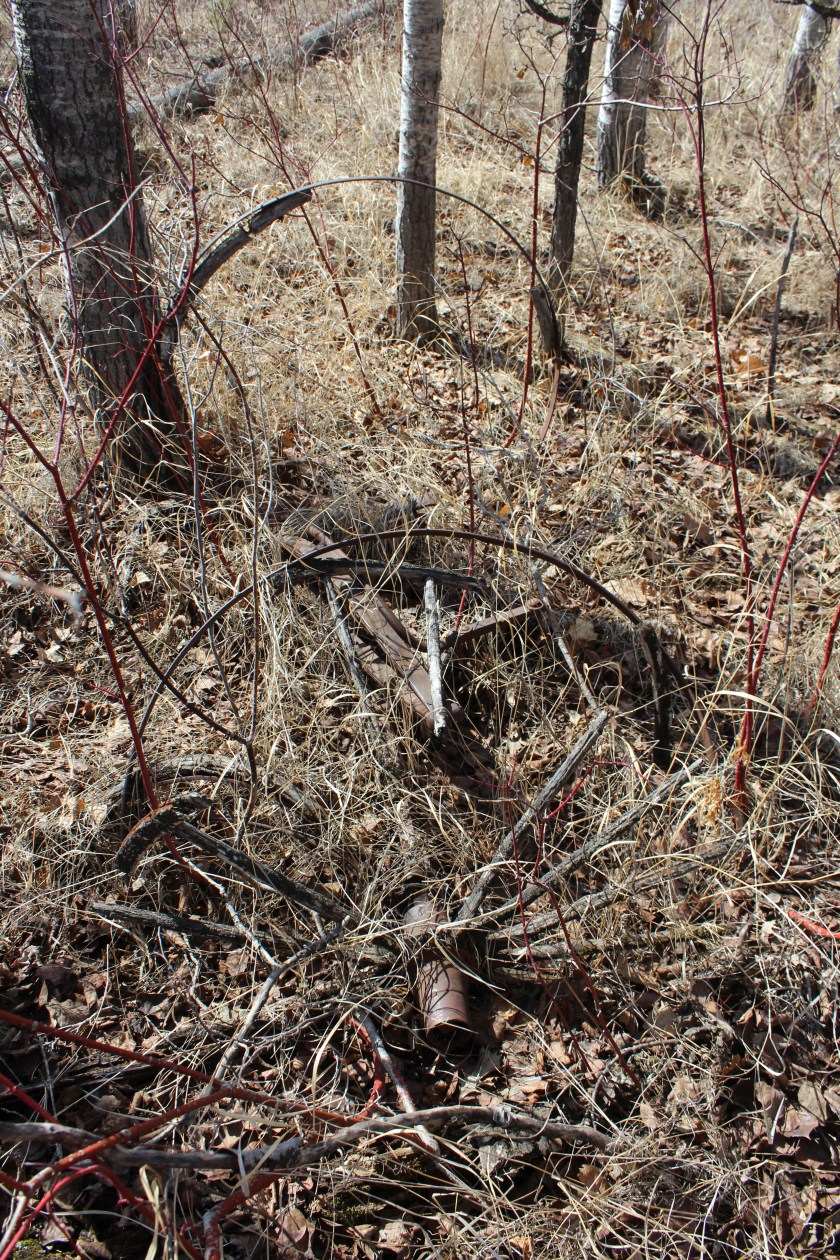
An old wagon 

I got home from the workshop and started exploring my 13 acres.  I discovered so much that I really didn’t know was there.  For 8 years I lived surrounded by this forest that I had barely explored.  The time of year made it perfect for this exploration, before the forest filled in with leaves and the marshy areas were fairly dry so I could easily walk on them.  It was a gift to see this land with new eyes, to see what amazing gifts it already has, to identify the wounds left by human manipulation, and to see possible futures.  With the build of my home imminent, digging starting in just under a month, I have very little time to go through the whole design process.  Because I have just started to explore this land I am not overly familiar with the patterns it has over the seasons.  I have seen the periphery throughout my years here, and this is where majority of the changes are taking place so I should have enough knowledge and experience to make good choices.

This workshop has sent me down an interesting and ever deepening rabbit hole.  My thirst for knowledge is surprising me, as I am usually so focused on the product that I don’t stop to learn all that I needed to learn.  I am so happy there is a shift in my desire here because I have had so many failed attempts at things as I tend towards rushing in and focusing only on the end product.  I see the direct correlation between releasing old stuck emotions and false beliefs and my increasing desire and motivation to learn and do more.  It is so absolutely cool and reinforcing.  I have been researching weather patterns, wetland habitats, and growing in my biome (which is changing with global warming).  I’ve been paying attention to my land, to the water patterns, the snow melt, the growth and the animal tracks.  It’s like getting to know a friend, and just like that, I am falling in love.

Yesterday I went out to explore the other half of my 13 acres which I thought was all just prairie, and discovered so much more.  It is amazing how small land feels when you observe it in passing and how massive it feels when you are exploring it for the first time, then how small it feels again once you get to know it.  I am in the massive exploration phase.  This part of the land is going to just be what it wants to be over the next little while as all of my resources are going to go into building my house and this wetlands ecosystem, but I want to observe and document it now and what it becomes without interference.  For a certain number of years, I’d say over 50, this part of the land has been used for traditional agriculture, for cattle for the last decade and I am not sure what else before that.  I am going to document as much as I can to see how the land recovers on its own, if it needs to recover, what recovery actually looks like, and how to see what happens in general.  I may add some seeds to the soil and may cut a pathway if needed, but mostly, I will let nature take its course.

I am beginning to have a desire to document and track the changes that occur on my land as I begin to make these changes.  I am going to send in soil samples from a few key places on my 13 acres that I am reclaiming and one or two places in the other section of my land.  I am hoping to gather data so I can scientifically show the changes that occur as a result of the changes I make in how the land is managed.  I hope to be a force of good in this world and make an impact on how we do things in the future.  It is one thing to restore this little section of land, it is another to help to restore the entire earth.  Being in Manitoba with such extremes in temperature, 6 months of winter with sleeping lands, and still wanting it to sustain human life is an interesting challenge.  I am very interested in documenting and seeing how this goes.  Having said that, I have not been scientifically minded in the past, so this will be a learning curve, but my new motivations and desires will help me through it.

I will continue to write about the design process, how this overlaps with my natural build and how it continues to give me insight into myself and my spiritual growth.

The Journey of the Welcome Bench part 1

Living with the Land

I had this vision of building a cob cabin in the back corner of my land. Since I had no experience with building or working with cob, I thought I would start with a small project, a welcome bench.  I knew I had a lot of clay and sand in my soil and I had piles of baling twine that a previous owner had left around, but I didn’t have straw.  So, I decided I would use the twine as the tensile strength and test out the earth to find the right mixture of clay and sand.  I started this project in 2011, and am still working on it.  I’m glad I started small.

My first step was to see what kind of earth I was working with to see if I had to make adjustments to the clay/sand ratio.  I dug a small hole on my land and mixed the earth from under the topsoil with water in a jar and shook it.  I let it sit and works its magic.  It is supposed to separate the sand from the clay to a ration of 2 parts clay to 1 part sand.  I discovered that was what I had, about 2 parts clay and 1 part sand.  So I called in the big guns and hired a back hoe to dig a large hole and make some piles of this earth.

Once I got the earth I made, with the help of some friends, a pad to build upon.  I removed the top soil and filled it with 3/4 inch gravel.  Then I started building the foundation of the bench.  I learned a few things here.  I should have made the foundation much higher, as moving rocks is easier than mixing soooooo much cob.  I also ended up making it too narrow to begin with so I had to add a layer later on.

I also started making test bricks, because that’s what was suggested.  I am not sure how well I used this process because I didn’t really listen to what the test bricks were telling me, I just went with what I wanted to be true: my earth was the right mixture of clay to sand.  Having worked with it over the past 7 years, yes, 7 years, I am wondering if I should have spent more time on this phase, really understanding the cob mixture and refining it.  I used The Cob Builder’s Handbook by Becky Bee which I got off of Amazon to do this part.  The sticks in the cob are to show the shrinkage and used to write the ratio of sand to clay to straw or in my case, baling twine.

After I discovered what I wanted to see, talk about confirmation bias, I started the process of mixing cob.  Being a single person who was going to do majority of the work I decided to buy an old metal cement mixing machine, which only worked for a bit and ended up not putting enough pressure on the mixture to bind the clay and sand fully. So, I did a lot of foot stomping and squishing.  I learned that I did not put in enough baling twine, it didn’t fall apart or anything, but more tensile strength would have been better.  I had cut the twine into about 4-6 inch bits and mixed it up.  I also learned that if I separated the twine into a thinner threads it probably would have worked better.

And so the process began, stomping and applying cob . . .

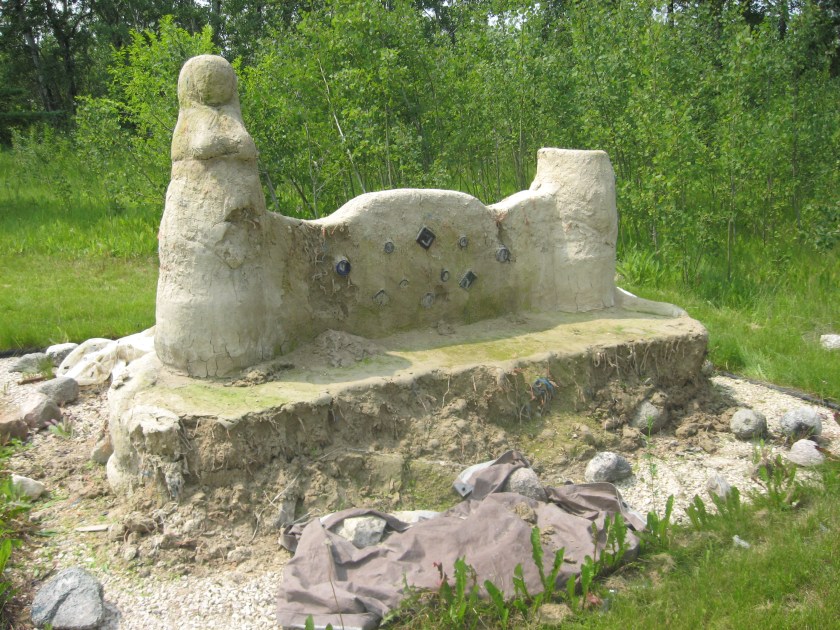
At this point I started making bottle bricks out of old bottles.  I use nail polish remover, some yarn, a lighter and a sink full of water to break the bottles, then I wrapped them in tinfoil for maximum reflection and taped them together.  I did not take into consideration may different factors, the fact that I was going to add to the back of my bench, the fact that adding plaster is about an inch and the weight of the cob pressing on the bottles. So, the bottles are sunk in in the front, carved out in the back, and bulging a little in places.  I had help on the day that it was time to install the bottles and I was unable to adequately share my vision, so the bench aesthetic morphed again.  The intention was to have a sun like design in the centre to add some male energy and balance the female posts, whom I affectionately call ‘my ladies’.  Alas, live and learn.

Then I stomped and cobbed some more . . .

It lasted over 3 summers and sat tarped over 3 winters.  Every year I’d take the tarp off and find all the ways that nature was trying to destroy my creation. I’ve learned a little about how the laws of the universe are in fact working against this creation, but not enough to create a change and not enough to stop this crazy endeavour.

IMG_5547

Then I started trying to figure out how to plaster it.  In the meantime I was also trying to get a living roof built over it.  I kept meeting dead ends at every turn.  I tried to see if it was something I could do, but with no background knowledge in carpentry and no idea how to do it, I was at a loss.  I kept asking.  I asked one fella who said he would, bought the wood, accepted payment, but never was able to follow through, left the wood, returned the payment and I looked for someone new.  Others I spoke to, but none committed and still today it is standing roofless, tarped for the winter, hoping to be plastered and covered next spring.  The first plaster experiment was with natural plaster made from clay, sand and horse manure.  It was fun to make, but just cracked and crumbled after it dried.

IMG_2792

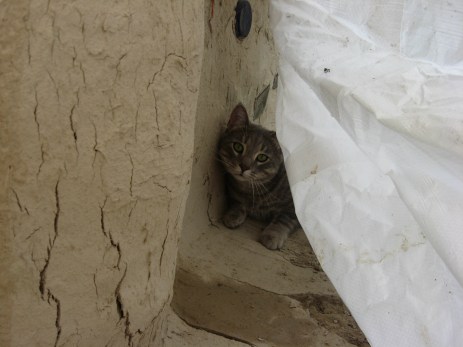
My cat playing in the tarp with the flaking earthen horse manure plaster

I tried several different earthen plaster mixes, but did not discover one that worked.  The following summer I used lime plaster.  Now, using lime plaster is a bit of an art, and one that I have not mastered, in fact, I’ve hardly even apprenticed at it.  The first coat of lime plaster dried too fast and cracked every where.  The second one did the same.  I started learning how to regulate the temperature and eventually, with the help of my dad, finished plastering the bench with lime that was fairly solid.

Then I decided to leave it un-tarped for the winter and leave it under a fabric gazebo. The problem with that was that the roof was not quite big enough and there were very large grommet holes in it which funnelled the rain and snow melt directly into the seat of the bench.  This eroded the lime and seeped under it destroying the plaster job.  Which is how I found the bench this spring. Oh, and the fabric could not withstand the sun and wind damage and tore apart.

Over this summer, 2018, I stomped some more cob, filled the cracks, extend the bench in a few places and forgot to take an after shot.  I wanted to plaster it one last time, but we had an amazingly hot summer which is not good for lime plaster as it increases the likelihood of it cracking.  Then I was going to do it in the fall, but we had this crazy bizarre fall with snow in September and record breaking rains. So, it is tucked in again for another winter and hopefully I can get my living roof built by some of the builders who will be working on my house.  Here’s hoping.

I have certainly learned a lot through this process and will take some time to reflect, in another post, on the physical as well as spiritual lesson this process has taught me . . . and some I have yet to learn.

Walking the Land

Living with the Land

I have a quarter section of land, which is basically a 1/2 mile squared.  It has been awhile since I had the desire to go and explore, but the early snow and the autumn leaves drew me out.  There is so much beauty in the details here.  I thought I’d share some.

I want this land to be a place where people can come to be inspired by nature, to feel the peace, to connect with themselves and to connect with the creator of this beauty.

I love fall as it is a time when there is so much beauty in death, or at least deep sleep.  The trees seemingly die, the grasses die, the water freezes, the land falls more silent, a necessary part of the cycle.

There is a tangible feeling of preparing the the winter.  There is a last frantic search for supplies, a last chance to enjoy the dwindling bounty of summer, and the urge to create a secure and warm home.  I feel it around me, and within me.